The gap
Health students face limited mentorship, uneven research opportunities, and career uncertainty. Afrimentor addresses this through a structure that combines guided mentorship, practical research training, and peer accountability.
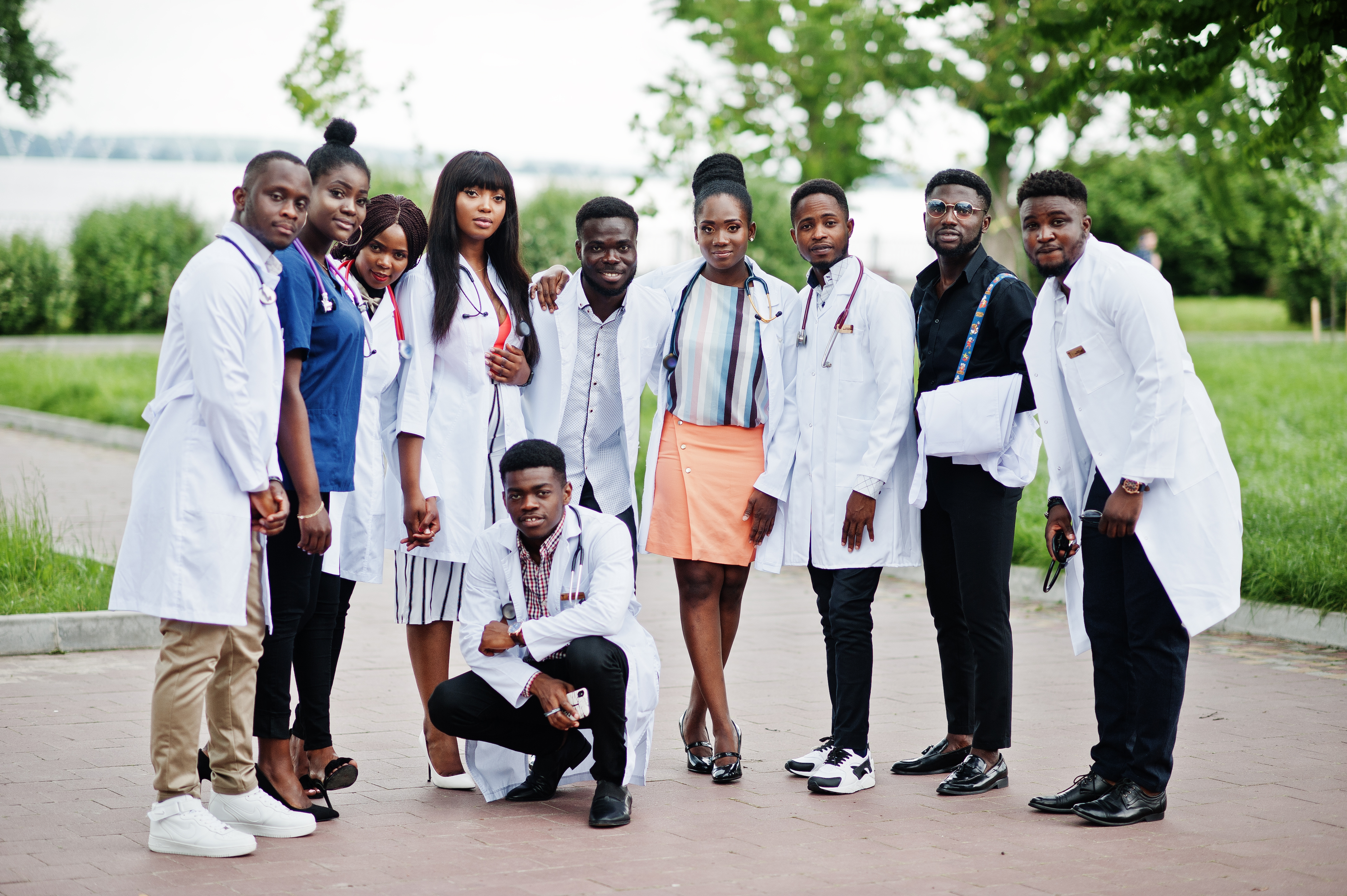
Project concept and partnership documents describe the same problem: many students understand mentorship value, but very few can consistently access structured mentorship, research coaching, and professional pathways.
Health students face limited mentorship, uneven research opportunities, and career uncertainty. Afrimentor addresses this through a structure that combines guided mentorship, practical research training, and peer accountability.
AFREhealth contributes a broad professional network and pan-African platform. MedXMentor contributes a tested student-led mentorship model. Together, they created a six-month pathway grounded in local realities and regional collaboration.
The curriculum advances from orientation to proposal writing, literature synthesis, analysis, manuscript development, peer review, and publication readiness. Sessions are designed around real mentor-team work, not passive lectures.
Teams align on themes, ethics, and research questions with mentor guidance.
Students run search strategies, appraise evidence, and organize references.
Teams build protocols, refine criteria, and prepare structured review plans.
Mentor-led sessions focus on charting, synthesis, and gap identification.
Drafting strengthens writing quality, structure, and publication readiness.
Teams revise from feedback and finalize outputs for journal submission.
Project documents set practical indicators: sustained mentor-team engagement, stronger research capacity, and deliverables that can move into publication pathways.
Mentors provide a minimum of 4 hours each month, while teams commit to weekly effort, creating consistent support and momentum.
Expected outputs include scoping reviews, commentaries, and a scalable mentorship model that can be expanded across institutions.
The Afrimentor model demonstrates what happens when student-led innovation meets a continental academic network: structured mentorship, professional growth, and research confidence built by Africans, for Africans.

Applications are designed for teams of undergraduate health students who want mentorship, research exposure, and real growth across the African health ecosystem.